


To mark your paddle board effectively, consider these three best methods:
A paddle board costs as much as a used bicycle, carries no visible serial number and looks like every other board on the rack. Marking it is what separates a board that comes back from one that does not.
Three methods do the job, and they solve different problems: a permanent mark for identification, a visible one that makes the board unattractive to take, and a contact detail for the person who finds it drifting. Bringing a pet along too? Learn how to paddle board with your dog.
- Use a waterproof pen to write your name and contact information under the deck pad or on the rail.
- Attach a dog tag with your details to a D-ring or handle.
- Apply a marine-grade waterproof sticker with your name or a QR code linking to your contact info.
- Marking your paddle board is essential for identification and can prevent theft or loss.
- Proper labeling on your SUP can be critical for safety in emergency situations.
- Personalizing your paddle board can also reflect your personal style.

Why Should You Tag Your Paddleboard?

Tagging your paddleboard is an essential safety measure and a means of personalization.
The importance of labeling can’t be overstated for several reasons:
- Identification: In the event your board is lost or stolen, clear identification can help it be returned to you. This is particularly crucial if you paddle in areas with high traffic or leave your board unattended on the beach.
- Safety: In an emergency situation, having your contact information on your paddleboard allows rescuers to identify the owner quickly.
- Regulation Compliance: Certain regions have mandatory labeling requirements for paddleboards as they are considered vessels.
Here are a few primary reasons:
- Loss or Theft:
- Easier recovery if lost.
- Deters theft, as a marked board is less anonymous and harder to sell.
- Emergency Situations:
- Helps responders in search and rescue.
- Speeds up identification process, aiding in a swift response.
- Regulatory Requirements:
- Meets legal obligations where applicable.
- Avoids potential fines for non-compliance.
For more detailed methods on how to label your paddleboard effectively, consider the guidance on labeling paddle boards with various techniques compared.
Remember, a well-tagged paddleboard is a safer and more secure board for all your aquatic adventures.
How to Mark a Paddleboard

Marking your paddleboard ensures it can be identified as yours, which is important for security and personalization.
Use materials that can withstand water exposure and environmental factors.
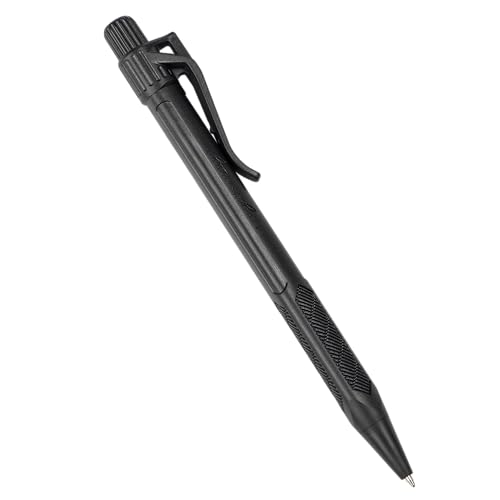
#1 Waterproof Pen
Use a waterproof pen to write your name, contact information, or any unique identifier on your board.
It’s best to write under the deck pad or on the rail where it’s less exposed to the elements.
#2 Dog Tag
Attach a dog tag to your paddleboard with your contact details.
Secure it to one of the D-rings or handles where it’s visible yet not obstructive.

#3 Waterproof Sticker
Apply a waterproof sticker prominently on your board.
You can choose to have these custom-made with your name, a design, or a QR code that links to your contact information.
Make sure the sticker is marine-grade to prevent peeling off.
While the board is out of the bag, two other jobs are worth doing at the same time: deciding whether to run one fin or three and learning how to patch a hole before you are on the water with one.


Table: How to Mark a Board, and How Long It Lasts
A separated board that carries your phone number comes back. A board without a name starts a search for a missing paddler. These are the options, with the honest lifespan of each.
| Method | Lasts | Cost | Stays readable when | Best for |
|---|---|---|---|---|
| Permanent marker on the PVC | 1 to 2 seasons | Almost nothing | Kept out of direct sun | A quick fix before a trip |
| Paint pen on the fin box or rail | 2 to 4 seasons | A few dollars | Sealed with clear tape over the top | Hard boards |
| Printed vinyl ID sticker | 3 or more seasons | A few dollars | Applied to a clean, dry, flat panel | The one most people should use |
| Engraved metal tag on a D-ring | Years | Low | Always, it does not fade | Rentals, clubs, family fleets |
| Luggage tag on the bag | Years | Almost nothing | The bag stays with the board | Travel, not the water |
| Free paddle ID sticker programmes | Years | Free | Placed where a rescuer looks first | US paddlers, see below |
What Actually Belongs on the Tag
Less than people write, and in this order.
- A phone number that will be answered. That is the whole point of the exercise. Add a second number if the board is shared.
- Your first name. A finder who can say “is this Tom’s board” gets further than one holding an anonymous slab.
- The word LOST or FOUND CALL, so anyone who sees the sticker understands in a second what it is for.
- Nothing else. Home address, full name and email invite the wrong kind of attention and none of them speed up a rescue.
Put the marking where somebody actually looks: near the nose on the deck, and a second copy under the handle or on the fin box, because one of the two will be face down when the board washes up.
Do You Have to Register a Paddle Board?
In most places, no, as long as the board is human powered. Registration rules attach to motorised craft, so the moment you clamp an electric fin or a trolling motor onto the board, it usually becomes a vessel in the eyes of the local authority and needs a number. Human powered boards are commonly exempt, but a handful of US states register them anyway, and inland waterways in some countries require a licence or permit rather than a registration. Check your own state or waterway authority, since this is the one detail no international guide can answer for you.
What is close to universal is the identification sticker. In the United States the free Paddle Smart identification stickers run through the BoatUS Foundation paddle safety programme, and they exist precisely so that a board found adrift can be traced to a paddler who is already safely home, instead of triggering a search. Fitting one takes a minute, and it pairs well with a waist leash, which is the piece of kit that stops the board separating from you in the first place.
FAQ
Do you have to register paddleboards?
No, typically paddleboards do not require registration since they are classified as vessels without motors. However, some localities have specific rules, especially if you add a motor to your board, so it’s prudent to check with your local boating authority.
Can I put stickers on my paddle board?
Yes, you can put stickers on your paddle board for personalization or identification purposes. Ensure that the stickers do not cover up any essential information or safety features of the board.
Which information should I put onto my paddleboard?
It’s recommended to put your contact information and an identifying mark or name on your paddle board. This could be crucial in case your board gets lost or if there’s an emergency.
Do I have to tag my paddleboard?
Although not mandatory, tagging your paddle board with your name and contact details can be helpful. It aids in identification and enhances safety should your paddle board ever become separated from you.


